
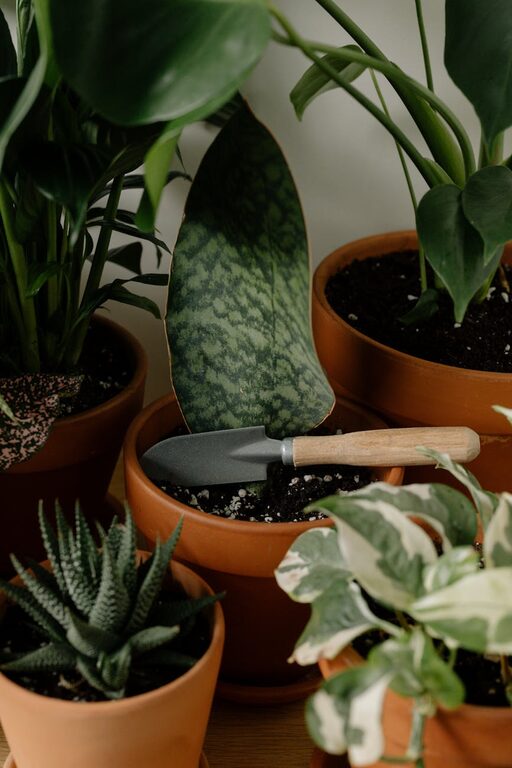
Bringing houseplants into your home can brighten your space, improve air quality, and boost your mood. However, to enjoy these benefits fully, your plants need the right care. Keeping houseplants healthy isn’t complicated, but it does require attention to their specific needs. Whether you’re a beginner or have a growing collection, these tips will help your plants stay vibrant and thriving.
Understanding Your Houseplant’s Needs
Every plant is unique, so the first step is learning about the specific requirements of your houseplants. Factors like light, water, temperature, and humidity differ across varieties.
Light Requirements
Plants typically fall into three categories: low, medium, and bright light. For example, snake plants do well in low light, while succulents require bright, direct light. Place your plants accordingly near windows or use grow lights if natural light is limited.
Water Needs
Overwatering and underwatering are the most common problems plant owners face. Research your plant’s watering schedule and check the soil moisture before watering. A good rule of thumb is to let the top inch of soil dry out before watering most indoor plants.
Essential Tips for Healthy Houseplants
1. Choose the Right Pot and Soil
Use pots with drainage holes to prevent water from pooling at the roots. The right soil mix can vary depending on the plant type. Cacti and succulents prefer sandy, fast-draining soil, while tropical plants thrive in moisture-retentive mixes.
2. Water Carefully
– Stick to a routine but adjust based on season and environment.
– Use room-temperature water to avoid shocking roots.
– Water thoroughly so excess drains out of the pot to flush away salts.
3. Maintain Proper Humidity
Most houseplants prefer humidity levels between 40-60%. In dry environments, especially during winter, increase humidity by:
– Grouping plants together
– Using a humidifier
– Placing trays of water with pebbles near plants
4. Provide Adequate Light
If natural light is limited, rotate plants to ensure even growth. Consider grow lights with adjustable settings for location and plant type.
5. Feed Your Plants
Use a balanced, water-soluble fertilizer during the growing season—usually spring and summer. Follow instructions carefully to avoid over-fertilizing, which can harm plants.
6. Regular Cleaning
Dust on leaves blocks light and reduces photosynthesis. Clean leaves gently with a damp cloth or rinse plants outdoors periodically.
7. Prune and Repot
Trimming dead or yellowing leaves helps plants focus energy on new growth. Repot plants every 1-2 years to refresh soil and provide space for roots.
Troubleshooting Common Problems
Yellow or Wilting Leaves
This can signal overwatering, underwatering, or insufficient light. Test soil moisture and adjust your care routine accordingly.
Pest Issues
Common pests include spider mites, aphids, and mealybugs. Use insecticidal soap or wipe leaves with a mixture of water and mild dish soap.
Slow Growth
Lack of nutrients, light, or space can slow growth. Check if your plant needs repotting or more light and adjust fertilizing routines.
Creating a Care Routine
Consistency is key for healthy houseplants. Set reminders to water, feed, and check your plants weekly. Keep a journal or use apps to track watering and growth for your plants.
Conclusion
By understanding your houseplants and giving them the right environment, watering, and care, you can enjoy green, thriving plants that enhance your home. Start small, learn from your experiences, and watch your indoor garden flourish with these simple tips.
Happy planting!